
Staying healthy can seem tough with hectic schedules and the endless stream of new health tips. Supporting my immune system naturally is one way I help my body handle whatever comes my way. Herbs have been a key part of traditional wellness for centuries, and many are well-known for their immune-supporting qualities. Here, I’ve rounded up the top ten herbs I turn to when I want my immune system in top shape and share everything you should know about them.
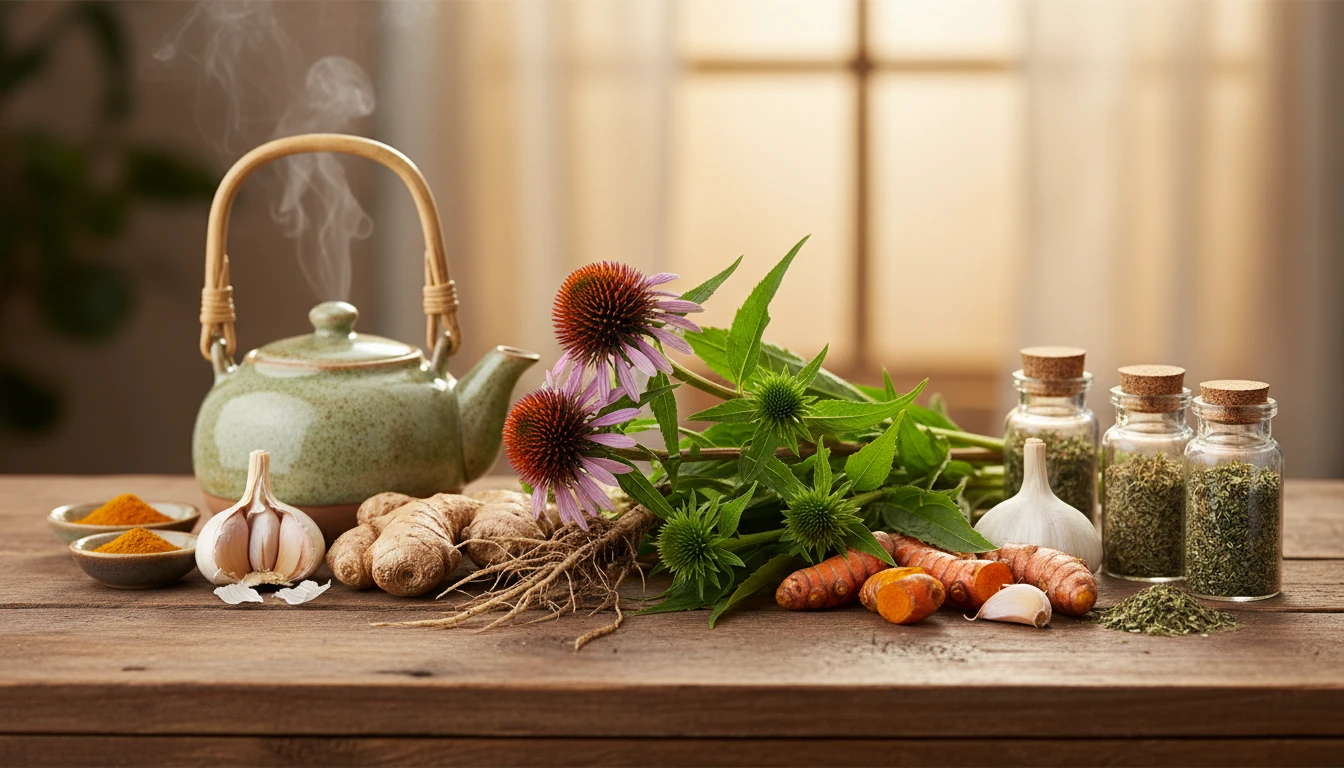
Why Natural Herbs Matter For Immune Support
Using herbs for immune health is one of my daily habits. Choosing herbal remedies means I avoid extra chemicals and synthetic ingredients, which is important to me. Many herbs provide antioxidant, antiinflammatory, or antimicrobial benefits. Each herb works in a unique way, so I like to mix some of them for even better effects. Research continues to show how trusted herbs can work well as part of a healthy lifestyle that also includes good nutrition, workouts, and enough sleep.
Understanding How Herbs Help Your Immune System
My immune system acts as my body’s main shield against harmful bugs, viruses, and other unwanted guests. Certain herbs support these natural defenses in different ways. Some prompt white blood cell production, others lower inflammation, or supply essential vitamins and minerals. Before adding a new herb to my routine, I always make sure I check out how it works and what research says about it.
- Echinacea: My first pick when sickness is in the air. Echinacea has a popular reputation for turning up immune activity.
- Garlic: Long valued for its antimicrobial strengths, garlic battles oxidative stress as well.
- Ginger: Rich in antioxidants, ginger can help tone down inflammation and keep my immune response in balance.
Top 10 Herbs To Boost Your Immune System
Here’s my go-to list of herbs I trust for natural immune support. Some are easy to find in stores, while others pop up at health shops or online. I share why I choose each one, key perks, and some tips for adding them to daily life.
- Echinacea
I use echinacea whenever I start feeling under the weather, especially during cold and flu time. Evidence suggests it boosts white blood cell levels and may cut down on the length of a cold. Drink it as a tea or take a supplement for easy use. - Garlic
Garlic is always in my kitchen and my go-to herb for supporting immune health. It’s loaded with allicin, a natural compound that’s shown both antimicrobial and antioxidant benefits. Raw cloves, cooked in meals, or odorless capsules are all options—use whatever fits best into your day. - Ginger
Ginger root is soothing, packed with antioxidants, and simple to add to teas, smoothies, or meals. If a bug is coming on, I brew hot ginger tea with lemon. Some studies suggest ginger helps balance immune activity and might quiet a sore throat. - Turmeric
Turmeric brings bright color and is famous in Ayurvedic medicine. Its active power, curcumin, is great at balancing immune responses and easing inflammation. I toss turmeric in curries or make “golden milk” with warm milk and black pepper for better absorption. - Astragalus
This root is a Traditional Chinese Medicine staple. I add dried astragalus to stews and soups, especially in cold months. Studies point out it can step up the body’s defenses under stress and support immune balance overall. - Andrographis
Some friends use andrographis to beat seasonal colds. It’s known for keeping respiratory health strong and some clinical tests found it lessens the length and grit of a cold. - Elderberry
Elderberry is my favorite for immune support during flu months. Berries offer antioxidants and vitamins. Syrup is my usual form, but there are lozenges and teas too. Research hints elderberry extracts may cut down the length of viral illnesses. - Oregano
Oregano is beyond a pizza topping. It owns strong antibacterial and antiviral effects, thanks to carvacrol and thymol. Oregano oil is powerful, but I like sprinkling fresh oregano in salads and sauces for flavor and health. - Licorice Root
For a scratchy throat, licorice root is my go-to. It seems to support my immune system’s natural defense, and it’s especially nice as a warm tea. If you have high blood pressure or certain health issues, use with care and check in with a health pro first. - Holy Basil (Tulsi)
Tulsi, called the “Queen of Herbs” in India, supports both immune and respiratory health. It’s also an adaptogen, helping the body handle stress. Tulsi tea is a favorite way I wind down at night.
Daily Habits For Herbal Immune Support
I’ve found that herbs work best as a regular part of my routine, not just when I’m already sick. Here are a few habits I’ve made to squeeze more immune support from herbs every day:
- Rotate herbs: Mixing up which herbs I use keeps things interesting and gives me a wider range of healthy compounds.
- Brew teas: Lots of herbs taste great as teas. I make a big pot and drink it throughout my day.
- Add herbs to meals: It’s easy to slip garlic, ginger, turmeric, or oregano into regular recipes and boost my intake.
- Pay attention to prep: Some herbs work best raw; others offer more benefits when cooked or mixed with fat or black pepper. I always double-check the best method for each herb.
Things To Consider Before Using ImmuneBoosting Herbs
Adding herbs to my routine has been useful, but I try to stay thoughtful and cautious. A few things I always look out for when trying a new herb:
- Interactions: Some herbs can mix badly with medications, so I research and check for these before taking anything new.
- Allergies: Even everyday herbs could trigger allergies for some people.
- Dosage: Taking more isn’t always better. I stick to guidelines or talk to a healthcare provider, especially with potent extracts or supplements.
- Quality: I buy from reliable sellers and go organic or choose nonGMO when available.
Allergic Reactions
Allergic reactions might be rare, but they can still pop up. For example, a handful of folks have sensitivities to echinacea or elderberries. When it’s my first try with a new herb, I start small and see how my body responds.
Interactions with Medications
Herbs like licorice root can push up blood pressure or affect certain medications. If I’m on prescription drugs or deal with regular health conditions, I always check with my doctor first before trying new herbal products.
Form and Dose
Herbs are available as teas, tinctures, capsules, and even fresh extracts. I read instructions and stick to recommended doses, especially for strong oils or extracts.
Practical Tips to Get the Most Out of Your Herbs
How I use herbs can make a difference. Here are a few little tricks that work for me:
Combine herbs wisely: Some mixes, like ginger with turmeric, taste great and give you a double punch of benefits.
Pick fresh or top-quality dried: Many herbs lose their punch if left on the shelf too long. I try to buy smaller batches and use them up quickly.
Stick with consistency: Regular, small servings have paid off much more than rare large doses for me.
Real-Life Examples of Herbal Immune Support
When the weather turns cold or when sickness spreads, these herbs step up in my routine. For example, sipping ginger lemon tea eased my throat at the first sign of a scratchy feeling. Through stressful weeks, regular holy basil tea gave me energy and picked up my mood. Extra garlic and oregano in meals have kept my family feeling well in winter, even if others come down with bugs.
- Busy pros: A daily spoonful of elderberry syrup is a fast way to keep up health when you’re pressed for time.
- Parents: Switching out regular tea for ginger turmeric tea may help households stay well as the weather changes.
- Active people: After exercise, tossing ginger and turmeric into a smoothie is a simple immune supporting habit.
Frequently Asked Questions
Question: How soon do herbs start to work for immune health?
Answer: For most herbs, I spot small changes within a week or so of steady use. Others, such as garlic or ginger, can provide quicker relief when used right at the first sign of illness.
Question: Can I use more than one herb at a time for better results?
Answer: Yes, I often blend herbs. Still, I stick with common pairings and keep an eye out for unwanted effects.
Question: Are herbal immune boosters safe for everyone?
Answer: Most herbs are safe for healthy adults, but it’s best for pregnant women, kids, or those with health conditions to ask a professional before using them.
Herbs For Immune Health: A Simple, Natural Part of Wellness
Adding herb-based support made a real change in my wellness habits. By picking quality herbs and weaving them into my routine, I feel more ready to support my immune system every season. If you want a natural boost, these ten herbs make a strong starting point to build up your health foundation.